Porta Potty Setup for Emergency Disaster Relief Sites
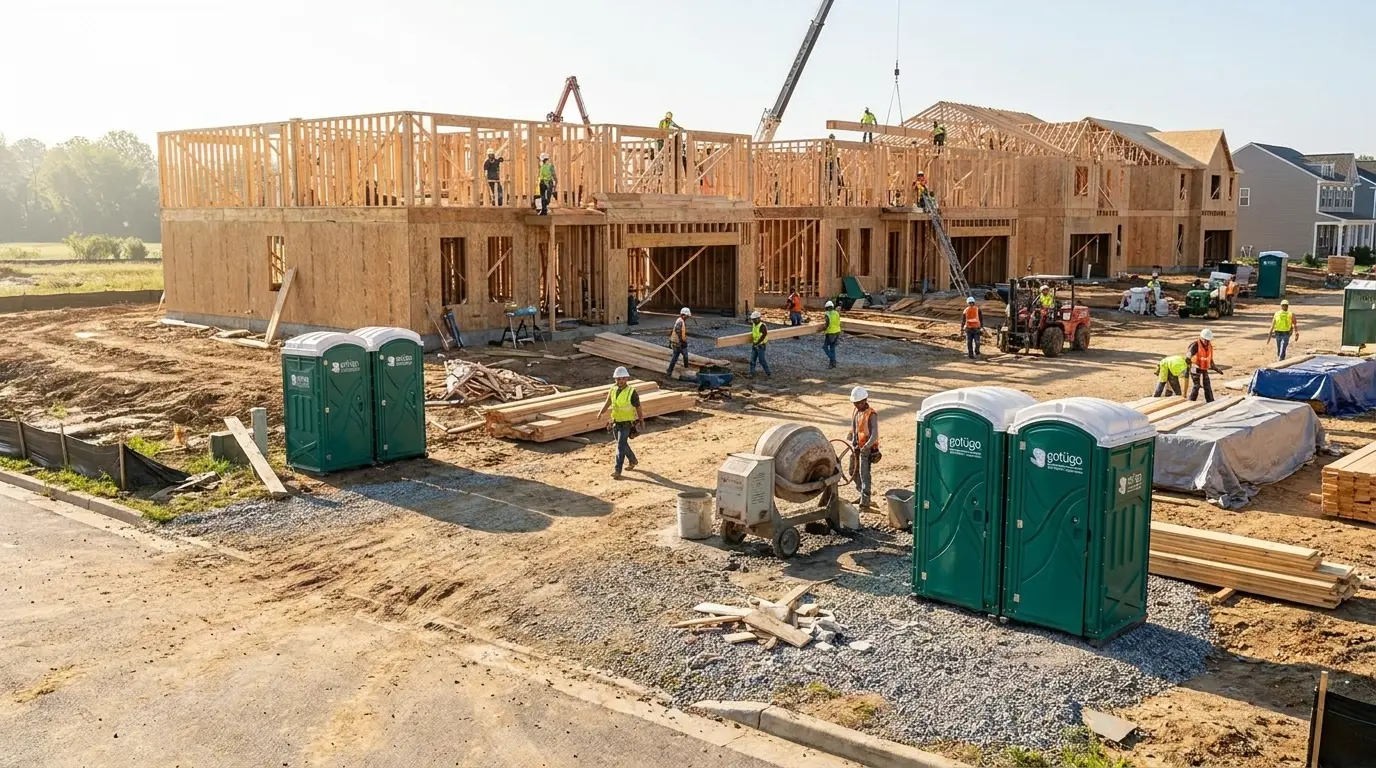
Why Emergency Disaster Relief Sites Need Reliable Porta Potty Setup
Disasters don’t wait for permits. But local health departments still enforce sanitation rules. In Florida, after a hurricane, the state health department requires one toilet per 20 workers at relief staging areas. In California, fire camps must follow the same ratio. OSHA 1926.51 applies to any site with employees, including disaster response crews. Without proper porta potty setup, you risk fines, shutdowns, and disease spread.
A single missed service can force a site to close for hours. That delay slows aid and costs money.
Porta Rental Pros delivers units nationwide. We know the codes from Alabama to Wyoming. Whether you need a few standard units or a full sanitation system, we handle the permits and placement. Check our porta potty rentals in Florida for hurricane season planning.
Quick Deployment After a Disaster
After a hurricane, flood, or wildfire, time is critical. The first 48 hours determine how fast relief teams can work. Porta potty setup must happen within that window. Rental companies with regional depots can deliver within 24 hours. In Texas, after winter storms, companies staged units in advance. That saved days of waiting.
Delivery trucks must navigate damaged roads. Mud, debris, and downed power lines slow access. Operators with four-wheel-drive trucks and experienced drivers handle these conditions. Always ask your provider about their disaster response fleet.
Meeting Health Department Minimums
Every state has a state health department that sets minimum toilet counts. For disaster relief sites, the rule is usually one toilet per 20 workers. The EPA Clean Water Act also bans dumping untreated sewage into waterways. That means waste must be pumped and disposed of at licensed facilities.
Some states require ADA-compliant units at any public relief site. California and New York enforce these standards strictly. Failure to provide accessible toilets can result in fines from the ADA compliance office.
Local zoning permits may also restrict where units can sit. In residential areas, some cities ban porta potties within 50 feet of homes.
Cost Factors for Emergency Setup
| Pricing for disaster relief porta potty rentals depends on three things: distance, service frequency, and duration. ** | Standard units** cost |
|---|---|
| $100–$200 per month in most states. | |
| $150–$300. Emergency delivery fees add | |
| $50–$150 per trip. |
In remote areas like Alaska or Montana, transport costs double. In dense cities like New York or Chicago, parking permits and street closure fees apply. Always get a written quote that includes all surcharges.
Service Frequency in Extreme Conditions
Hot climates increase service frequency. In Arizona or Texas summer heat, units need pumping every 3–4 days. In cold northern states, freezing can damage tanks. Operators must use antifreeze and insulate units. Service frequency also depends on user count. A site with 100 workers needs daily service.
During long-term recovery operations, weekly servicing is standard. But after a wildfire in Colorado, ash and debris can clog pumps. Operators must inspect units more often. Ask your provider about their service schedule for disaster sites.
Permits and Regulatory Bodies
Multiple agencies oversee disaster site sanitation. The Occupational Safety and Health Administration (OSHA) requires sanitary facilities on any worksite with employees. The Environmental Protection Agency (EPA) governs waste disposal. State Departments of Environmental Quality issue permits for waste haulers.
Local county health departments enforce minimum toilet counts. City planning departments control placement permits. Fire marshals may require spacing rules at large camps. DOT hazardous materials regulations apply to trucks carrying waste.
Working with a rental company that knows these rules saves time. They pull the permits and schedule inspections. For nationwide service, Porta Rental Pros coordinates with local agencies in all 50 states.
ADA and Accessibility Requirements
Any public disaster relief site must provide accessible portable restrooms. The ADA Standards for Accessible Design require at least 5% of units to be accessible. These units have wider doors, grab bars, and lower sinks.
In states like Oregon and Washington, inspectors check for ADA compliance on site. Non-compliance can delay operations and trigger lawsuits. Always confirm your rental includes ADA units if the site is open to the public.
Common Pitfalls to Avoid
-
Waiting too long to order. After a disaster, rental companies sell out fast. Book units before the event if possible.
-
Underestimating user count. Use the maximum expected worker number, not the average.
-
Ignoring local codes. Each county may have different rules. A provider with local knowledge is worth the extra cost.
-
Skipping service contracts. Without scheduled pumping, units overflow. That creates a health hazard and cleanup cost.
Industry Standards and Best Practices
The Portable Sanitation Association International (PSAI) sets industry standards for service and safety. Members follow best practices for waste handling and unit maintenance. The National Safety Council (NSC) also offers guidelines for disaster site sanitation.
For sustainable options, the Green Building Council (USGBC) certifies eco-friendly sanitation units. These use less water and biodegradable chemicals. Some disaster sites now request green units to reduce environmental impact.
When to Call a Pro
If you are managing a disaster relief site, call a rental company early. They handle delivery, setup, servicing, and removal. They also know which permits you need. Trying to do it yourself risks fines and delays.
For a single event or short-term site, a standard rental is enough. For long-term recovery, ask about monthly contracts with weekly servicing. Most companies offer discounts for extended rentals.
Regional Differences That Matter
In the Southeast, hurricane season drives demand. Units must be secured against high winds. In the Midwest, tornado debris can block access roads. In the Northeast, winter storms freeze tanks. In the West, wildfire ash requires special cleaning.
Each region has its own set of state health department codes and local zoning permits. A national provider like Porta Rental Pros adapts to each location. We have depots in every state and know the local rules.
Final Practical Advice
Plan ahead. Know your worker count. Choose a provider with disaster response experience. Verify they carry insurance and proper waste disposal permits. Ask for references from previous disaster setups.
With the right partner, porta potty setup for emergency disaster relief sites is straightforward. Without it, you risk health, compliance, and operational delays.
Next Steps for Emergency Disaster Relief Sanitation
Porta potty setup for emergency disaster relief sites is a critical task. Done right, it keeps workers healthy and operations running. Done wrong, it causes fines and shutdowns. Local codes, climate, and site conditions all affect the answer.
The cheapest option is rarely the fastest. Pay for reliability and local knowledge.
Porta Rental Pros provides nationwide service with local expertise. We handle permits, delivery, and scheduled servicing. Call us before your next disaster response to secure units. Check our state pages like porta potty rentals in Texas for region-specific advice.
Frequently Asked Questions
How many porta potties do I need for a disaster relief site?
How fast can you deliver porta potties after a disaster?
Do I need permits for porta potty setup on a disaster site?
What happens if a porta potty overflows during a disaster response?
Are ADA-compliant porta potties required at disaster relief sites?
Need Nationwide porta potty rentals?
We connect you with trusted local providers in your state or city. Call or email us today.